Curriculum
Grade XII Biology
Biology Chapters
0/13
-
CH-1 Sexual-Reproduction-Flowering-Plants
 Preview
 -
CH-2 Human-Reproduction
Preview
-
CH-3 Reproductive-Health
Preview
-
CH-4 Inheritance-And-Variation
Preview
-
CH-5 Molecular-Basis-Of-Inheritance
Preview
-
CH-6 Evolution
Preview
-
CH-7 Human-Health-And-Disease
Preview
-
CH-8 Microbes-In-Human-Welfare
Preview
-
CH-9 Biotechnology-Principles
Preview
-
CH-10 Biotechnology-Applications
Preview
-
CH-11 -Organisms-And-Populations
Preview
-
CH-12 Ecosystem
Preview
-
CH-13 -Biodiversity-And-Conservation
Preview
Work Sheets
0/13

CH-2 Human-Reproduction
|
Grade 12 Science | Chapter 2 Human ReproductionHuman reproduction brings together two parents to make a new individual. This chapter builds the male and female systems, the making of gametes, the menstrual cycle, fertilisation and the growth of the embryo through pregnancy.
|
|
Contents
|
1. The Male System |
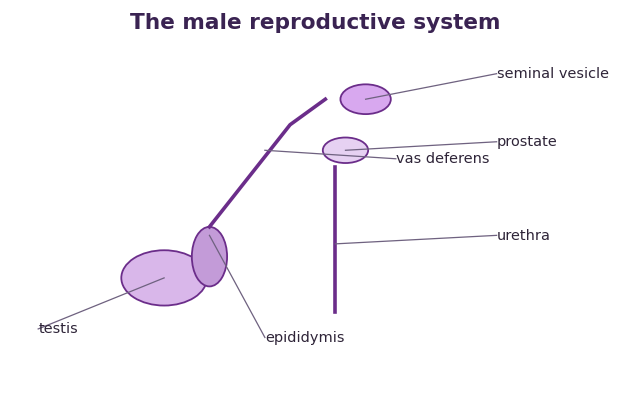
The male system is built to make and deliver sperm. The testes make sperm and the hormone testosterone. Sperm mature in the epididymis and travel along the vas deferens. Glands such as the seminal vesicle and the prostate add fluid to form semen, which leaves through the urethra.
|
Core idea The male system makes many sperm continuously, while the female system releases usually one egg each cycle and can nurture the embryo that follows.
|
|
Diagram 1 – The Male System
Fig 1. Sperm made in the testes mature in the epididymis and travel along the vas deferens, gaining fluid from the glands. |
2. The Female System |
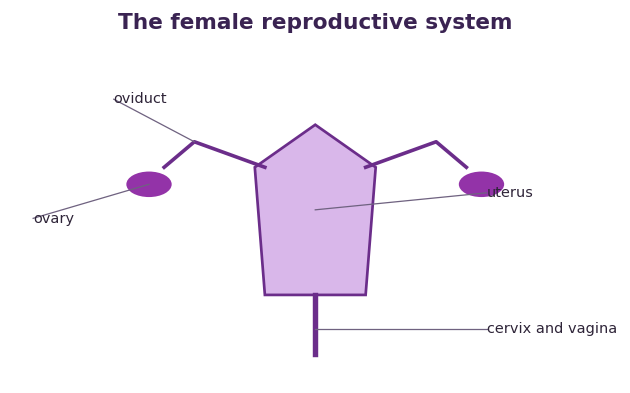
The female system makes eggs and can carry a developing baby. The ovaries make eggs and hormones. An egg passes into the oviduct, also called the fallopian tube, where fertilisation may happen. The uterus is where a fertilised egg settles and grows, and it opens through the cervix and vagina.
|
Diagram 2 – The Female System
Fig 2. The ovary releases an egg into the oviduct, and the uterus is where a fertilised egg grows. |
3. Gametogenesis |
Making gametes is called gametogenesis. In the male, spermatogenesis in the testes makes large numbers of sperm all the time from puberty. In the female, oogenesis in the ovary usually releases a single mature egg in each cycle, and the early steps begin even before birth.
4. The Menstrual Cycle |
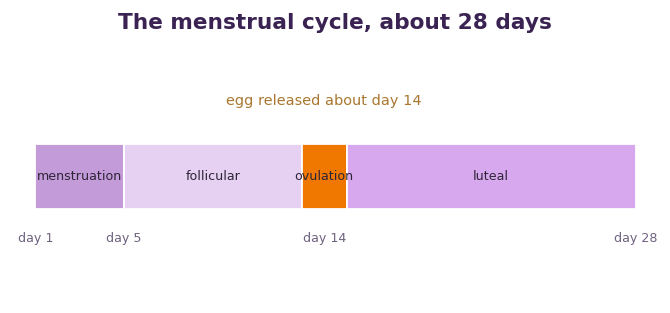
The menstrual cycle lasts about 28 days and prepares an egg and the lining of the uterus each month. It begins with menstruation, then a follicular phase as a follicle grows, then ovulation around day 14 when the egg is released, and finally a luteal phase. Hormones such as FSH, LH, oestrogen and progesterone control the whole cycle.
|
Diagram 3 – The Menstrual Cycle
Fig 3. The cycle runs from menstruation through the release of an egg near day 14 to the luteal phase. |
5. Fertilisation and Implantation |
Fertilisation happens in the oviduct, where a sperm joins the egg to form a zygote. This restores the full number of chromosomes. The zygote divides as it travels to the uterus, and then implants in the thick lining, where it will grow.
6. Pregnancy and Birth |
During pregnancy the embryo grows in the uterus, fed and supplied through the placenta, which links it to the mother. After about nine months, parturition, the birth, is brought on by hormones that make the uterus contract. After birth the mother produces milk, called lactation, to feed the baby.
7. Key Reasoning (Principles) |
|
Principle 1: The two systems have matched roles The male system makes and delivers many sperm, while the female system releases an egg and can nurture the embryo, so the two fit together for reproduction. |
|
Principle 2: The cycle is under hormone control Hormones drive the monthly cycle, growing a follicle, releasing an egg near day 14 and preparing the uterus, in a carefully timed sequence. |
|
Principle 3: Fertilisation restores the chromosome number Each gamete carries half the chromosomes, so joining them in the zygote restores the full number and starts a new individual. |
8. Worked Examples |
| Example 1 |
|
Q: Which organ makes sperm? Show SolutionThe male gonad. Answer: The testis. |
| Example 2 |
|
Q: Where do sperm mature? Show SolutionJust beside the testis. Answer: In the epididymis. |
| Example 3 |
|
Q: Which organ makes eggs? Show SolutionThe female gonad. Answer: The ovary. |
| Example 4 |
|
Q: Where does fertilisation usually take place? Show SolutionThe tube that carries the egg. Answer: In the oviduct. |
| Example 5 |
|
Q: About how long is the menstrual cycle? Show SolutionRoughly a month. Answer: About 28 days. |
| Example 6 |
|
Q: Around which day is the egg released? Show SolutionThe middle of the cycle. Answer: About day 14. |
| Example 7 |
|
Q: What is the joined egg and sperm called? Show SolutionThe first cell of the new individual. Answer: The zygote. |
| Example 8 |
|
Q: Where does the zygote implant? Show SolutionThe thick lined organ. Answer: In the uterus. |
| Example 9 |
|
Q: What links the growing baby to the mother? Show SolutionIt supplies food and oxygen. Answer: The placenta. |
| Example 10 |
|
Q: What is the production of milk after birth called? Show SolutionTo feed the baby. Answer: Lactation. |
9. Practice Sets A to D |
| Set A – Multiple Choice (Basic) |
|
1. Sperm are made in the: (a) ovary (b) testis (c) uterus (d) oviduct 2. The egg is made in the: (a) testis (b) prostate (c) ovary (d) urethra 3. Fertilisation usually happens in the: (a) uterus (b) oviduct (c) ovary (d) cervix 4. The egg is usually released around day: (a) 1 (b) 7 (c) 14 (d) 28 5. The baby is supplied through the: (a) placenta (b) ovary (c) bladder (d) liver Reveal Answers1. (b) testis. 2. (c) ovary. 3. (b) oviduct. 4. (c) 14. 5. (a) placenta. |
| Set B – Short Answer (Understanding) |
|
1. Trace the path of sperm out of the male body. 2. Name the parts of the female system. 3. What is the difference between spermatogenesis and oogenesis? 4. List the phases of the menstrual cycle. 5. What happens at implantation? Reveal Answers1. From the testis, through the epididymis and vas deferens, gaining fluid from the glands, out through the urethra. 2. The ovaries, the oviducts, the uterus, and the cervix and vagina. 3. Spermatogenesis makes many sperm continuously; oogenesis usually releases one egg each cycle. 4. Menstruation, the follicular phase, ovulation and the luteal phase. 5. The dividing zygote settles into the thick lining of the uterus, where it will grow. |
| Set C – Application and Reasoning |
|
1. Why does the male system make so many sperm? 2. Why does the uterus lining thicken during the cycle? 3. Why is the timing of ovulation important? 4. Why must fertilisation restore the full chromosome number? 5. Why is the placenta vital during pregnancy? Reveal Answers1. Only one sperm fertilises the egg and the journey is hard, so large numbers raise the chance of success. 2. It prepares a rich bed so that a fertilised egg can implant and be nourished if fertilisation occurs. 3. The egg lives only a short time, so fertilisation must happen soon after it is released near day 14. 4. Each gamete has half the chromosomes, so joining them gives the new individual the complete set. 5. It carries food and oxygen to the baby and takes away waste, since the baby cannot yet do this itself. |
| Set D – Higher Order (Challenge) |
|
1. Explain how the male and female systems complement each other. 2. Explain how hormones keep the menstrual cycle in step. 3. Explain why oogenesis beginning before birth is unusual. 4. Explain the journey from ovulation to implantation. 5. Explain how birth and lactation continue the care of the young. Reveal Answers1. The male makes and delivers many sperm while the female releases an egg and nurtures the embryo, so together they achieve reproduction. 2. Rising and falling hormones grow a follicle, trigger the release of the egg and prepare the uterus, each at the right time. 3. The early egg cells are set aside long before birth and only complete their development much later, cycle by cycle. 4. The egg is released into the oviduct, meets a sperm there, and the dividing zygote travels on to settle in the uterus. 5. Hormones bring on the contractions of birth, and afterwards milk is made so the mother can feed the newborn. |
|
Chapter Summary
|
|||||||||||||||||||||||||||||||
| Eight Point Exam Quick Check | ||||||||||||||||||||||||||||||||
|
||||||||||||||||||||||||||||||||
|
School Revise Virtual Lab Explore these ideas with interactive simulations and visual tools.
|
|
Class 12 Biology Chapter 2: Human Reproduction, Complete Notes and Practice These free Class 12 Biology notes on Human Reproduction follow the NCERT syllabus and cover the male and female systems, gametogenesis, the menstrual cycle, fertilisation and pregnancy, with clear diagrams, worked examples and graded practice, free on SchoolRevise.com. |
 Google